THE OLOID
Art | Science | Form
MATHEMATICALLY PERFECT PIECE OF ART
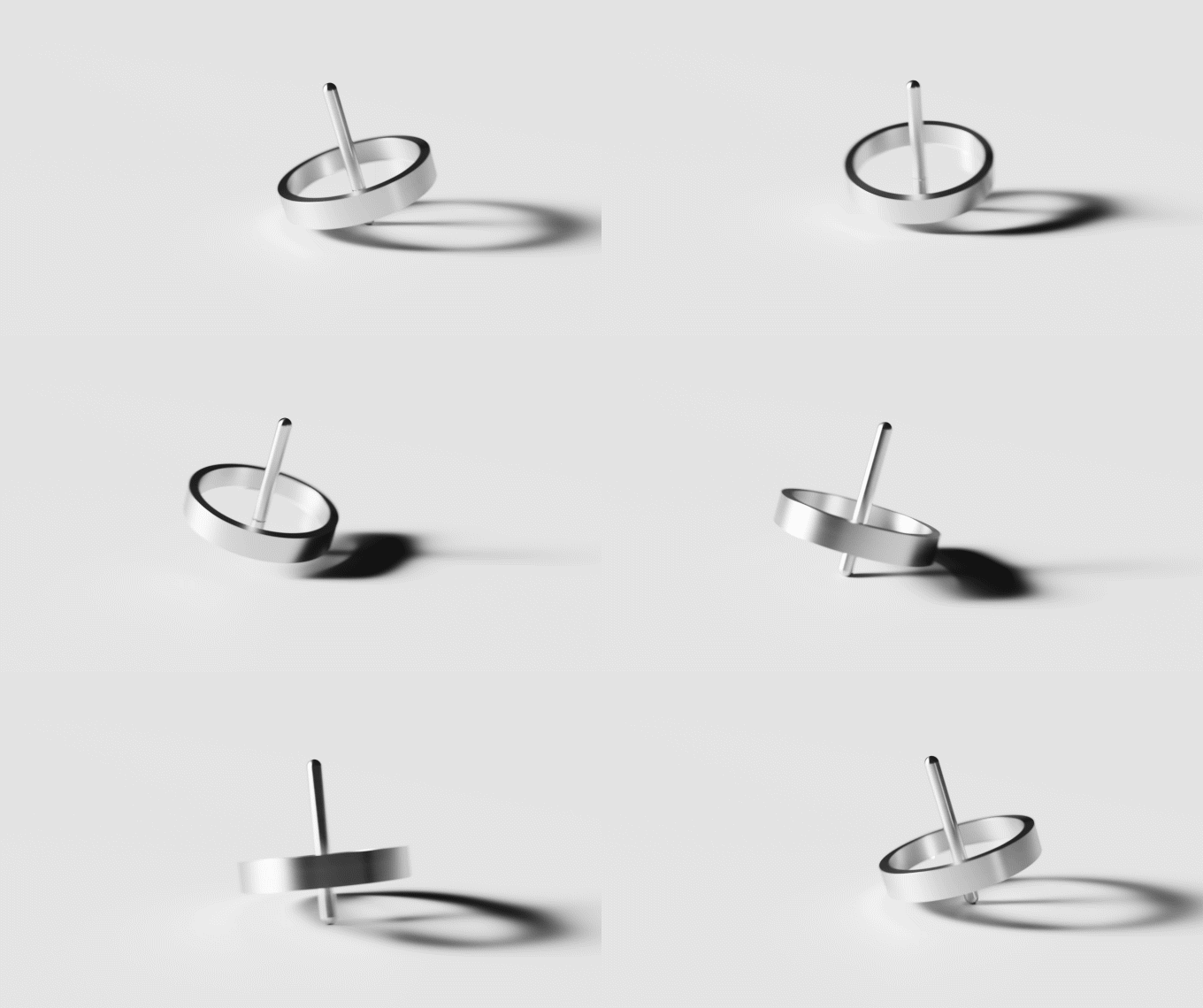
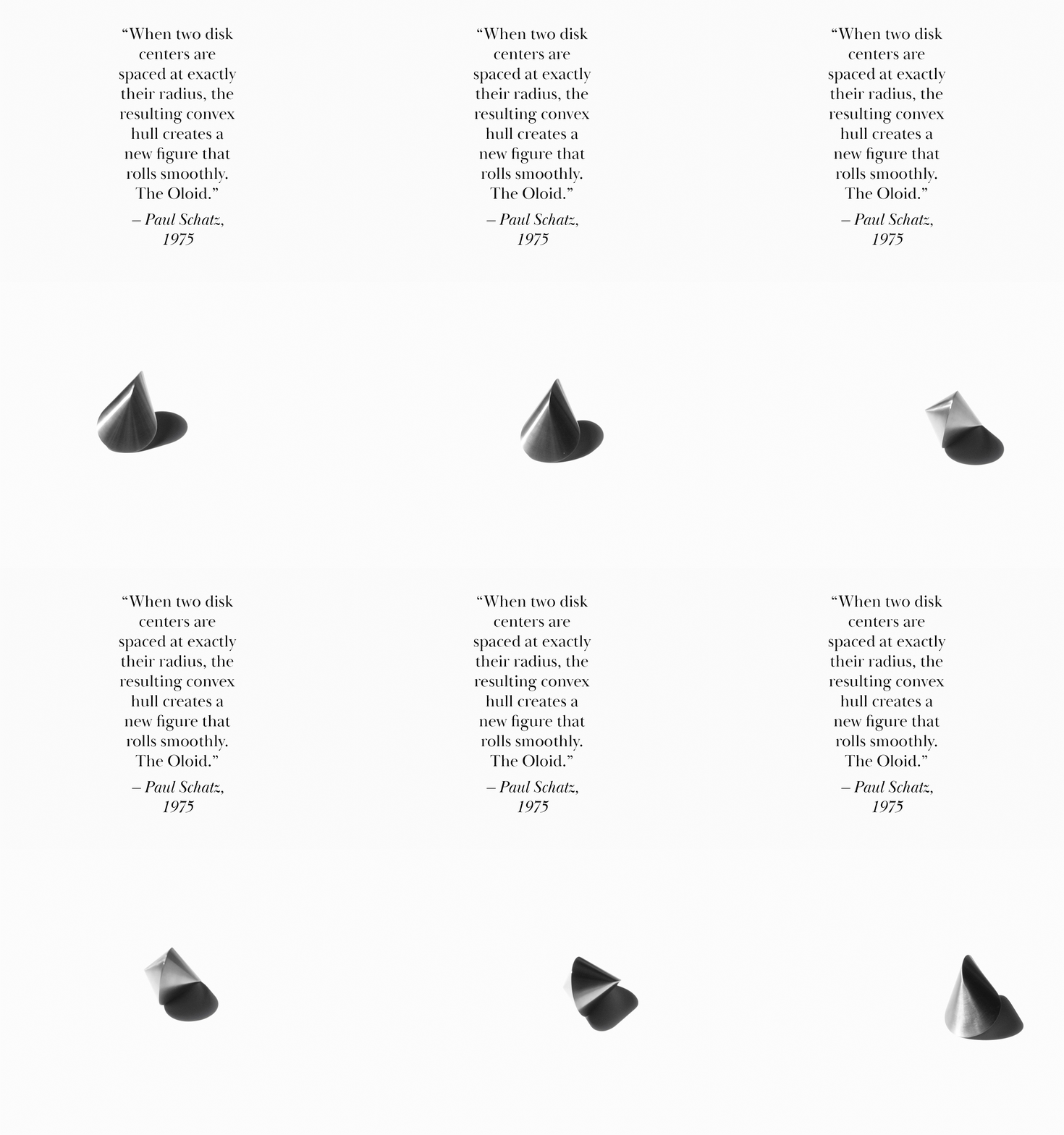
Discovered by Paul Schatz in 1929. Formed from two congruent circles in perpendicular planes, with the center of each circle lying on the edge of the other.
One continuous surface. No flat sections. No sharp edges. When set in motion, its center of mass traces a complex path, and every point of the surface contacts the ground over a full cycle.
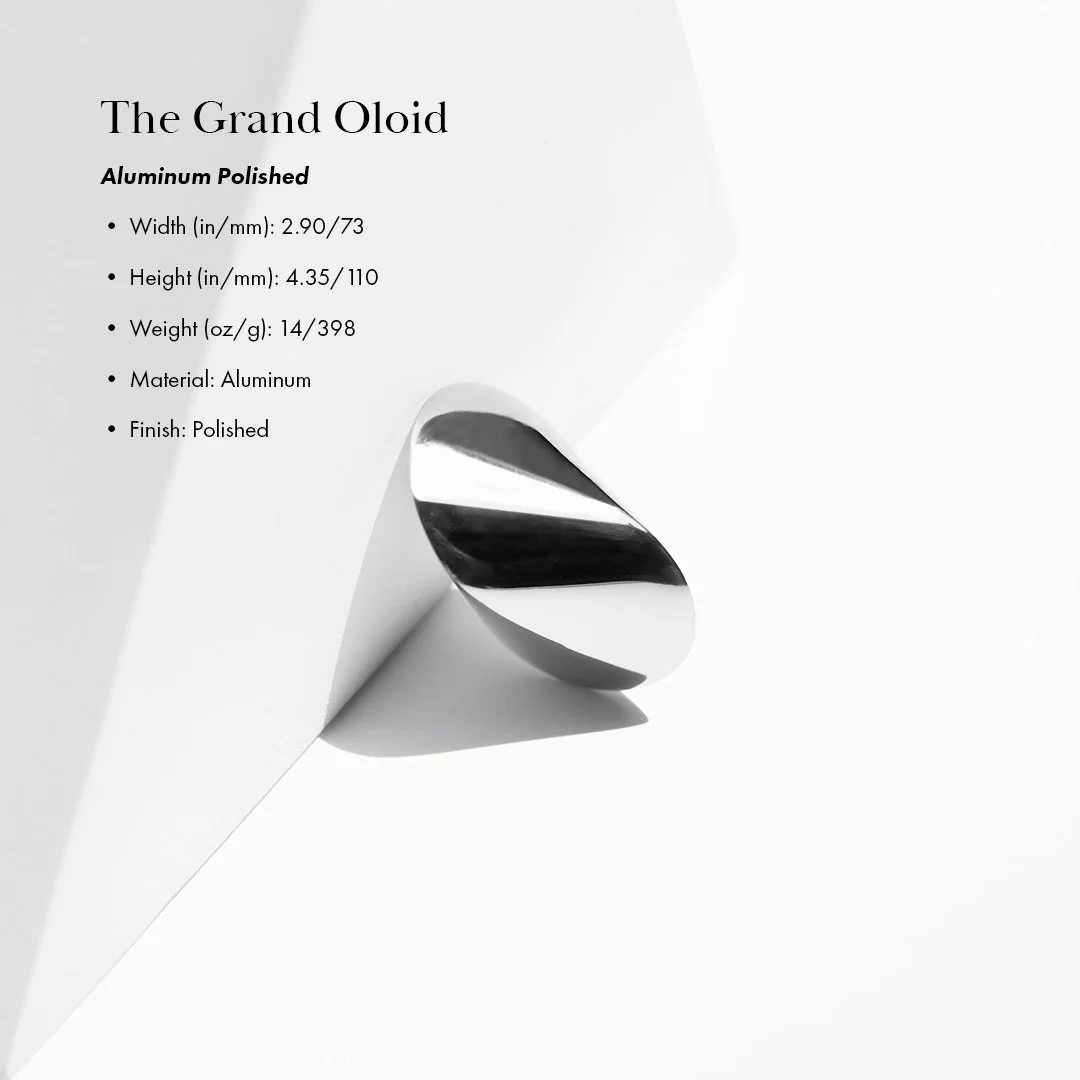
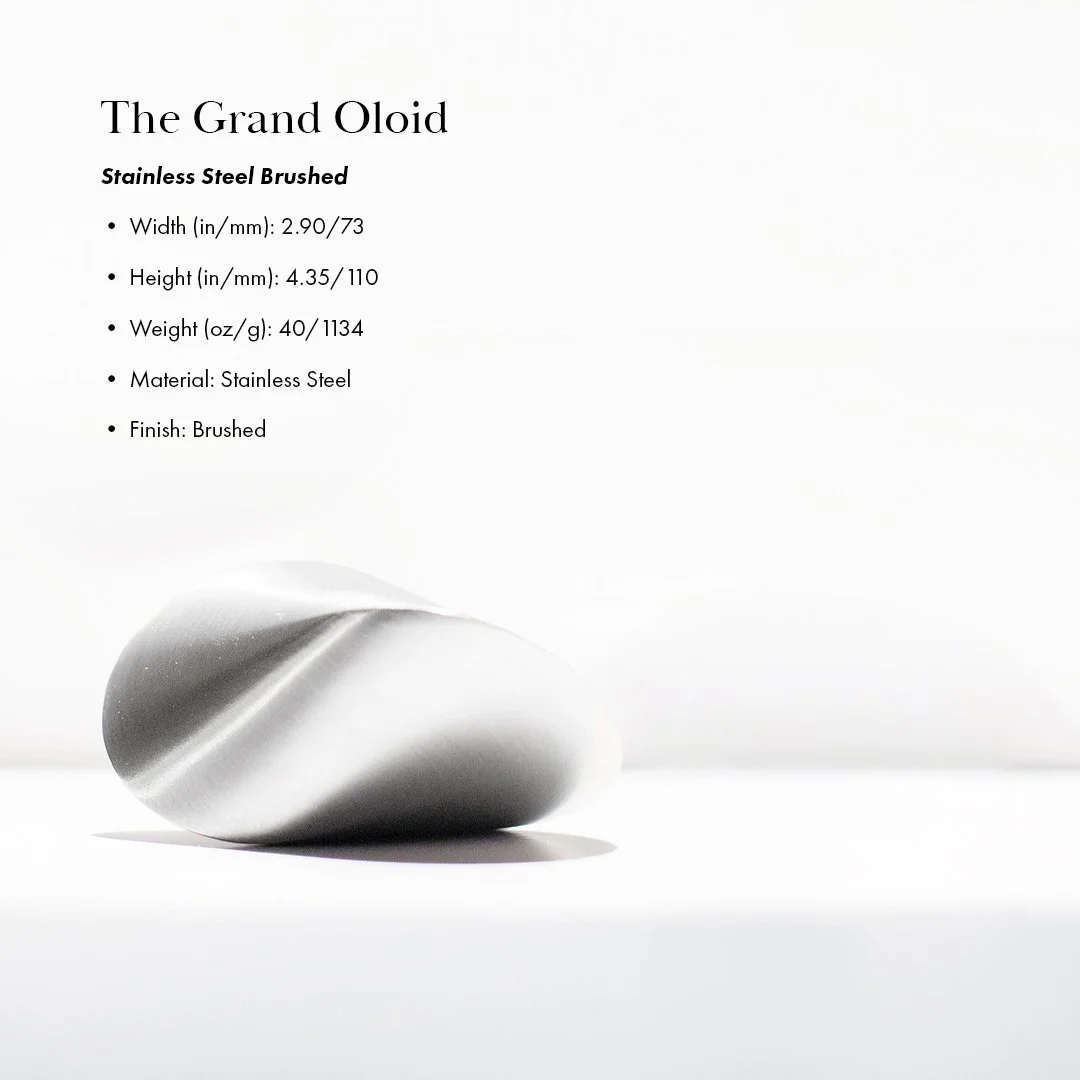
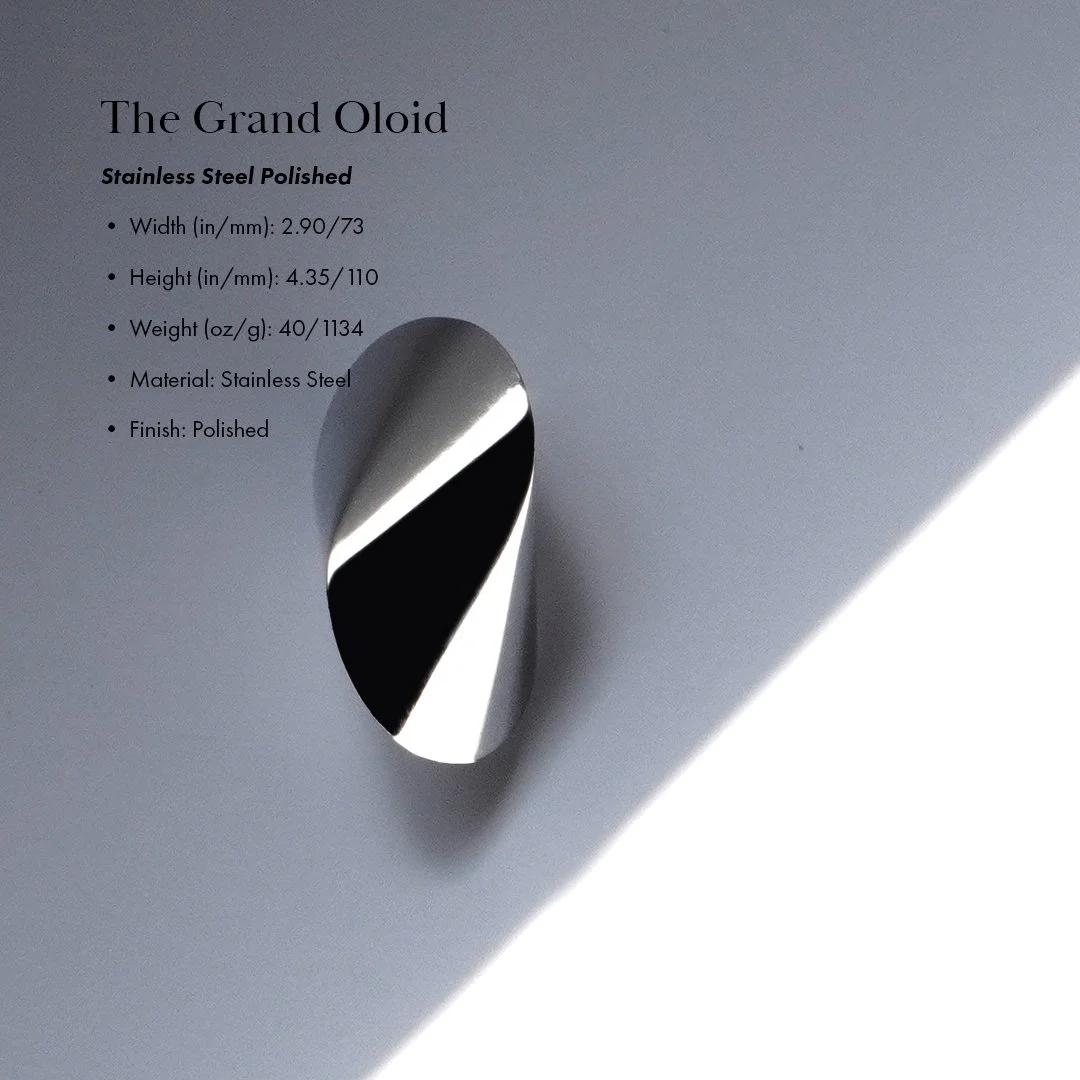
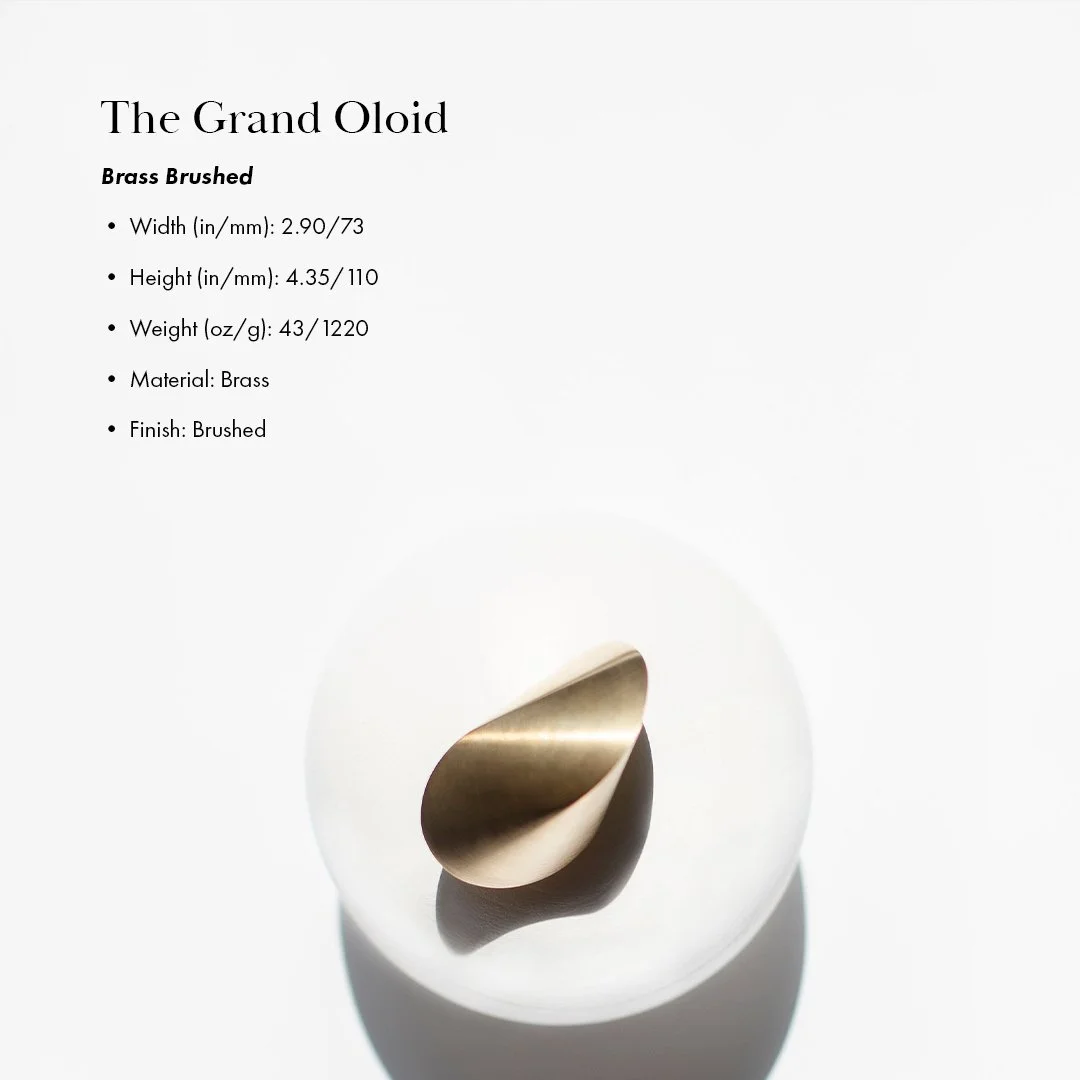
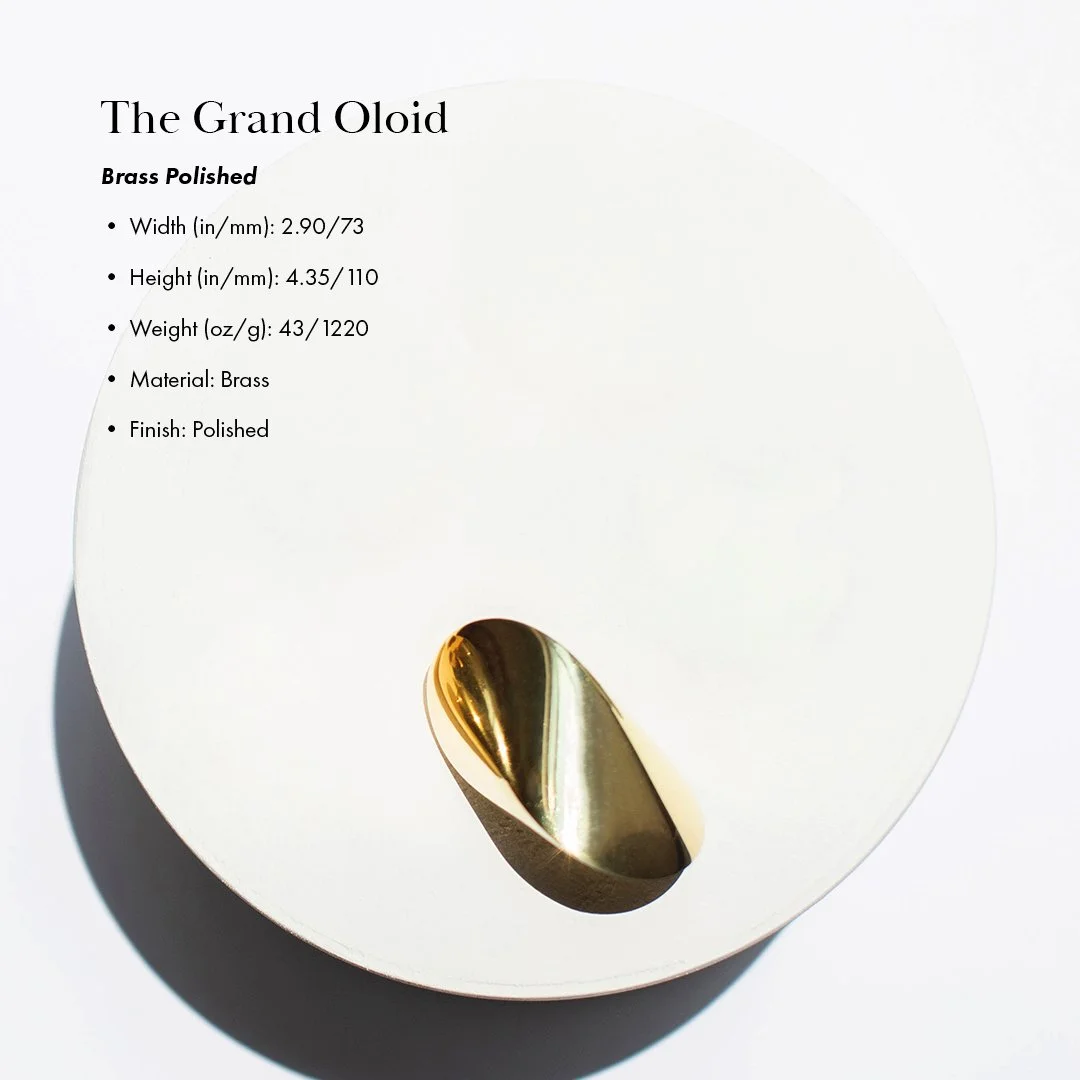
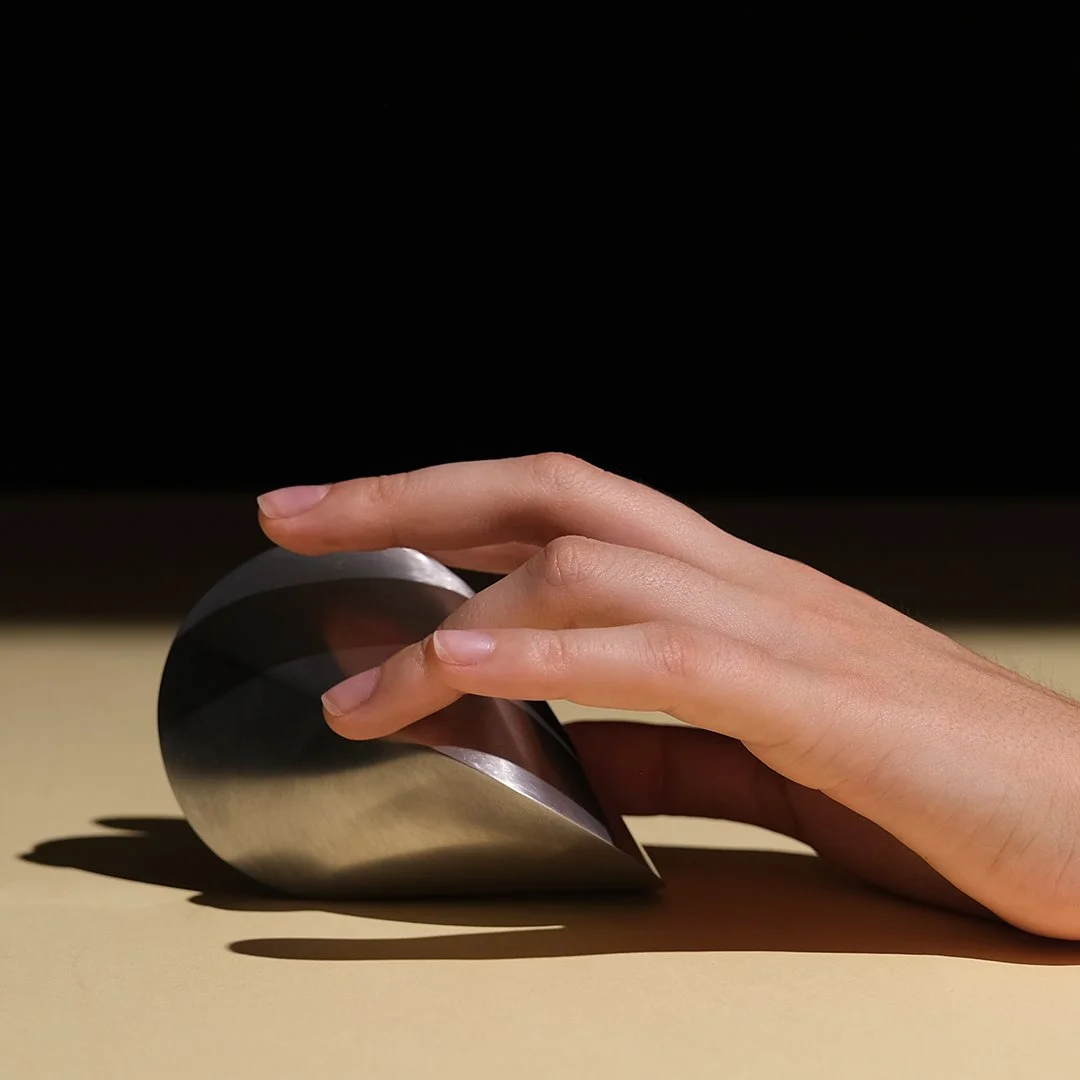
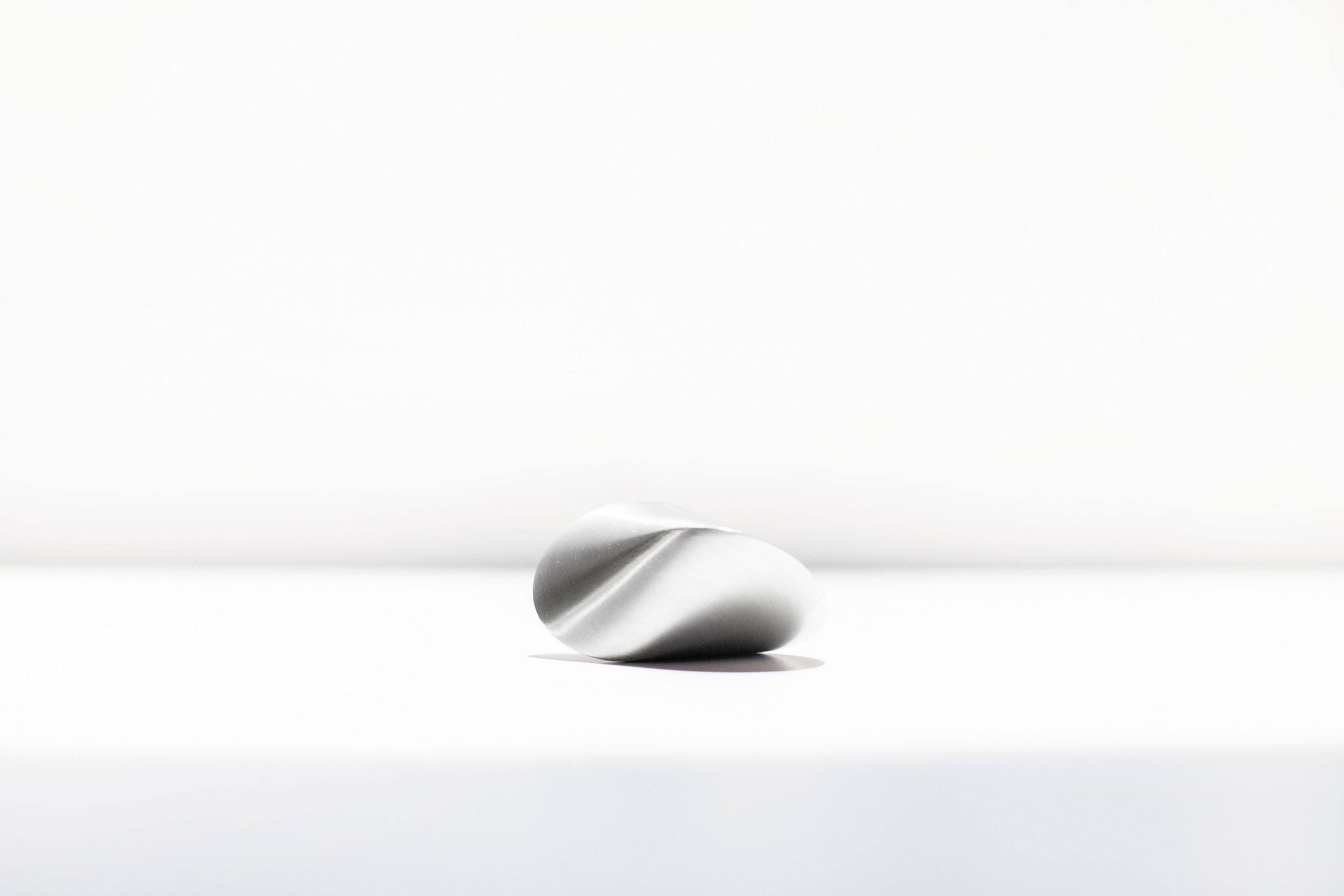
A colossal desktop sculpture that brings art, science, beauty, and technology together in a single piece of solid metal.
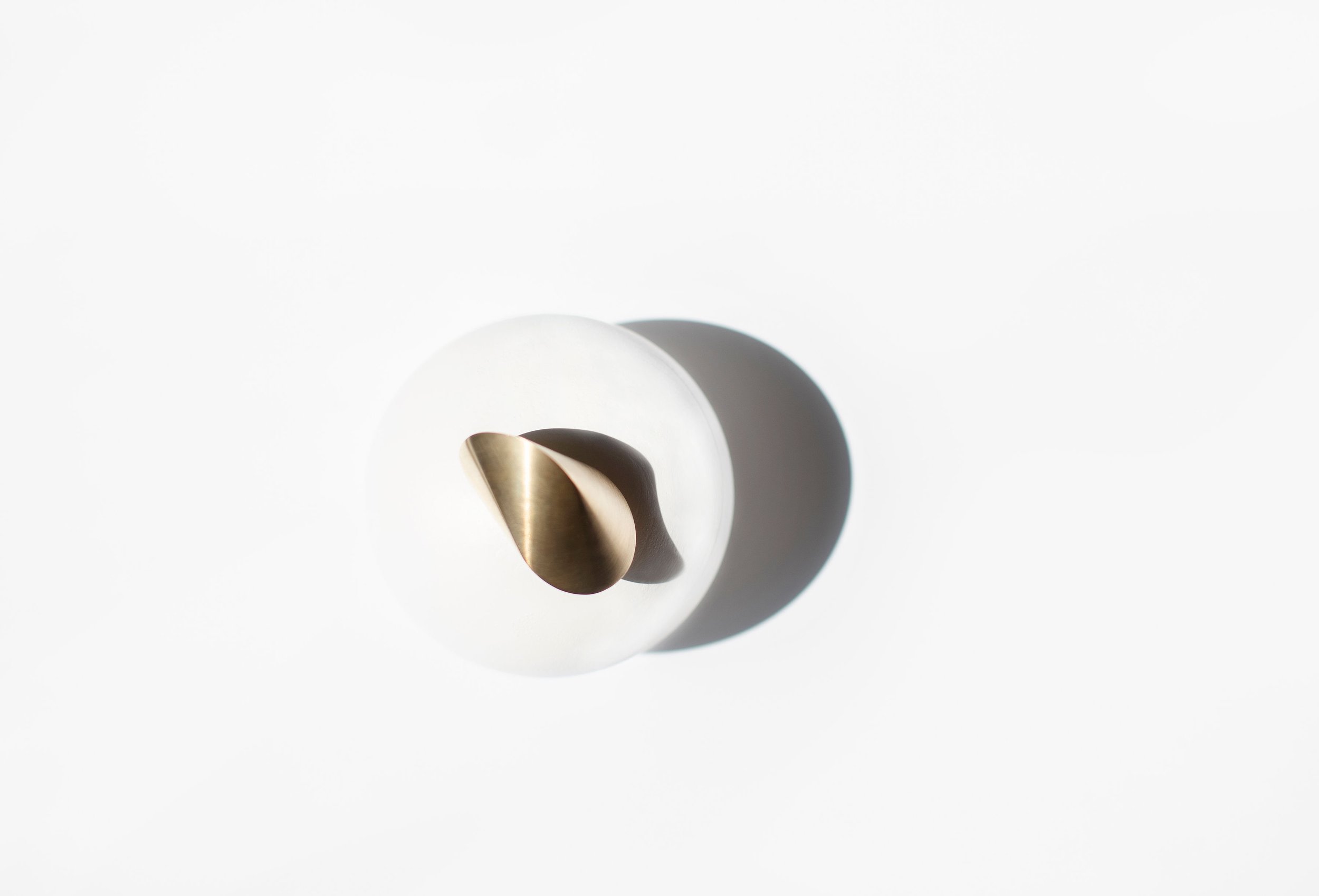
The Oloid Sculpture is where perfect geometry becomes silent poetry. In 1929, Paul Schatz uncovered this marvel—the only shape that rolls with such fluid grace. Precision-machined from solid natural metals, its hypnotic dance is guided solely by its own timeless design. No motors, no sound. Just the quiet, kinetic balance of a form discovering its own path, again and again.
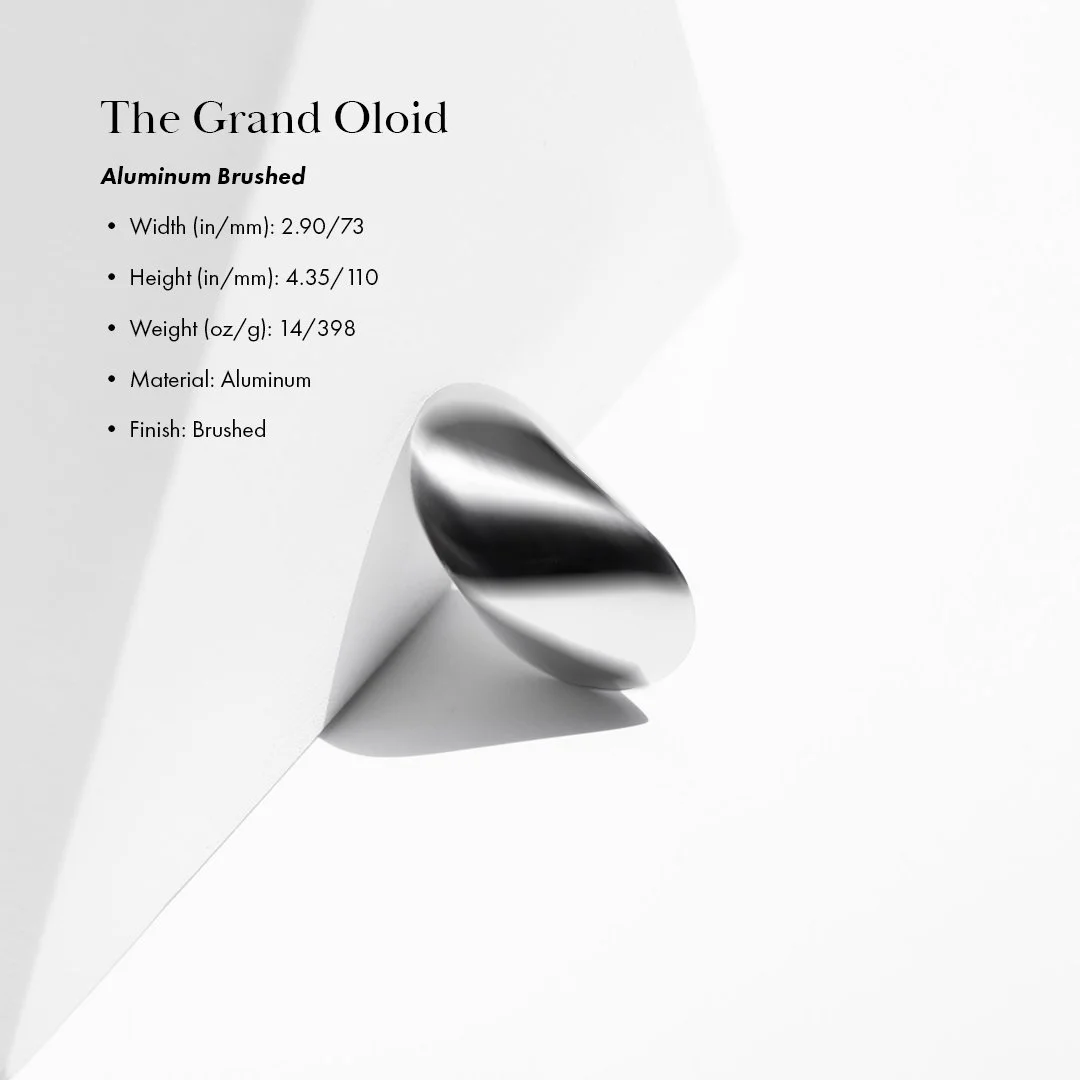
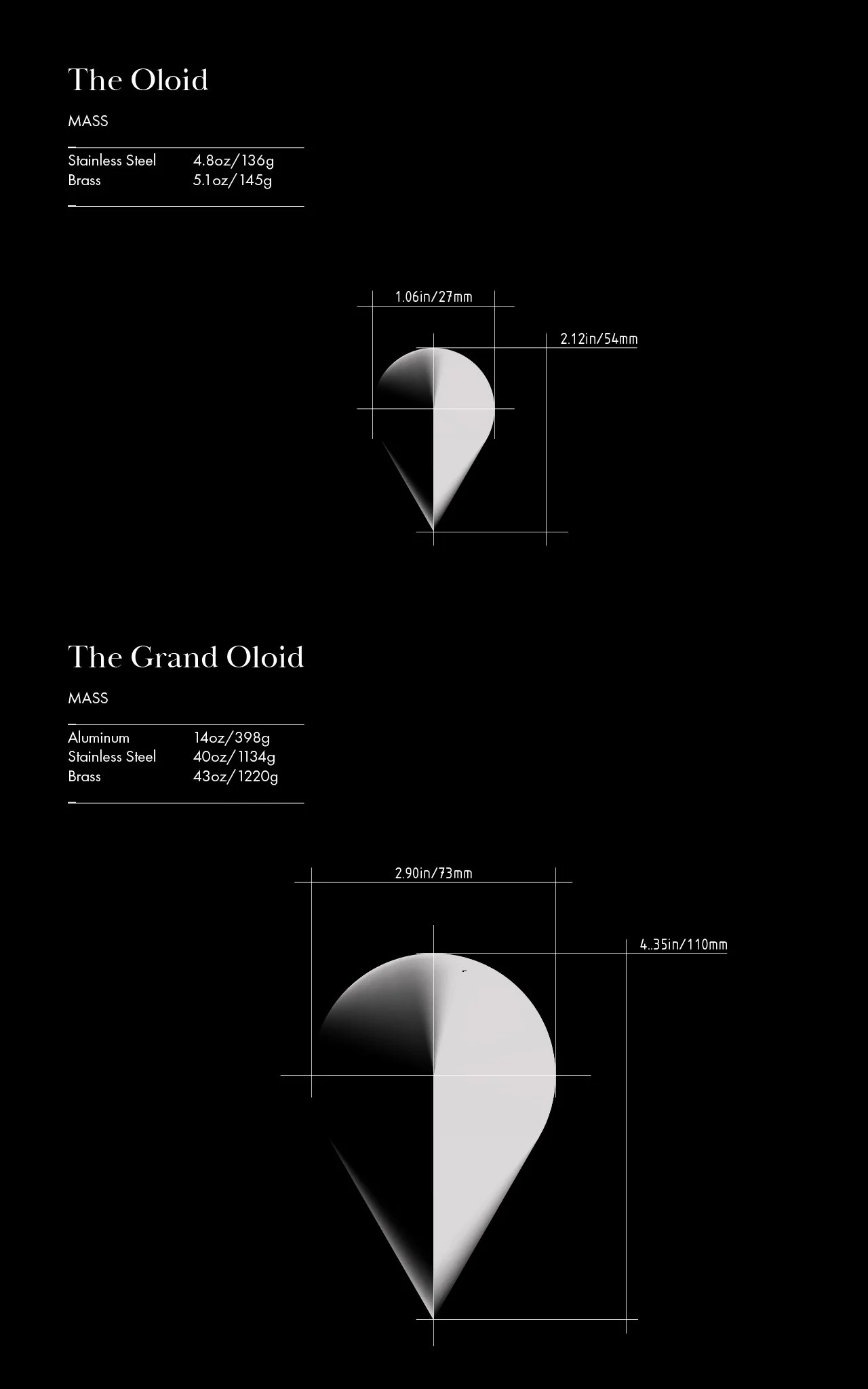
The Grand Oloid is 4,3" / 110mm x 2,8" / 73mm
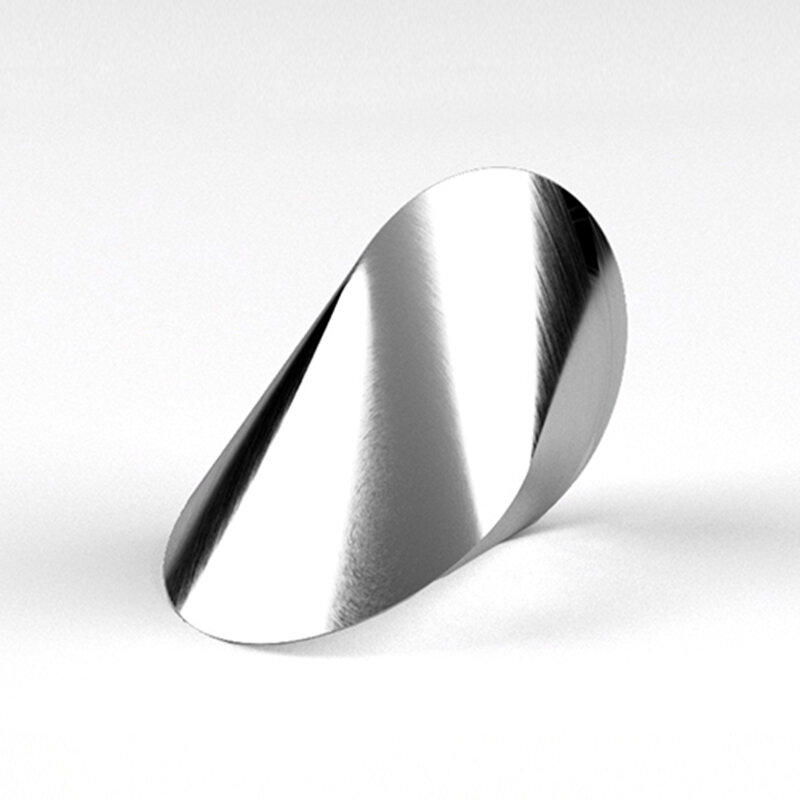

A desktop sculpture that brings art, science, beauty and technology together in a single piece of solid metal.
The regular size Oloid is 2.13" x 1.41" and weighs 5.32 oz
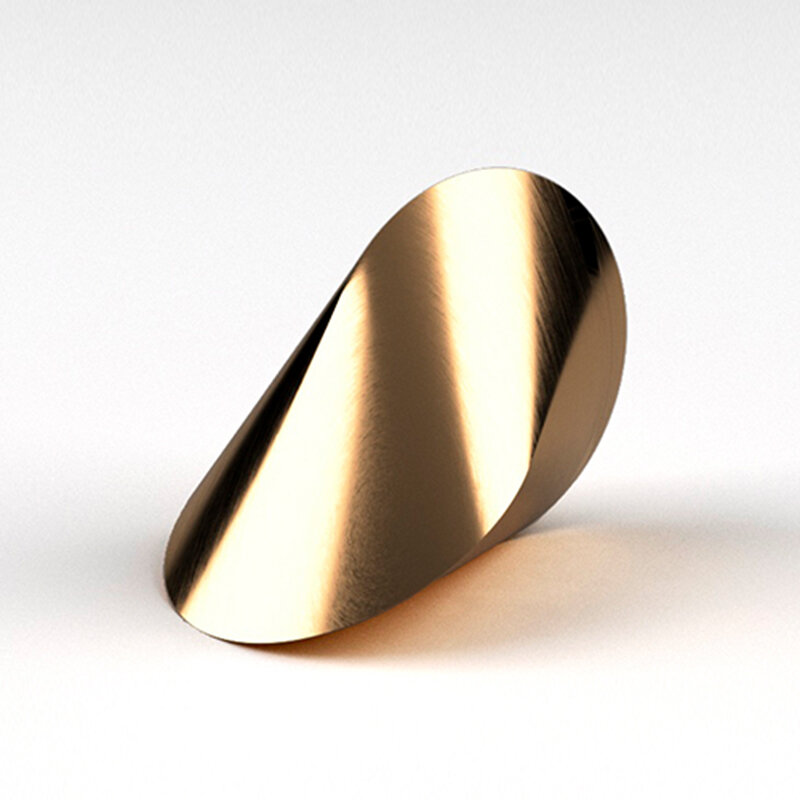
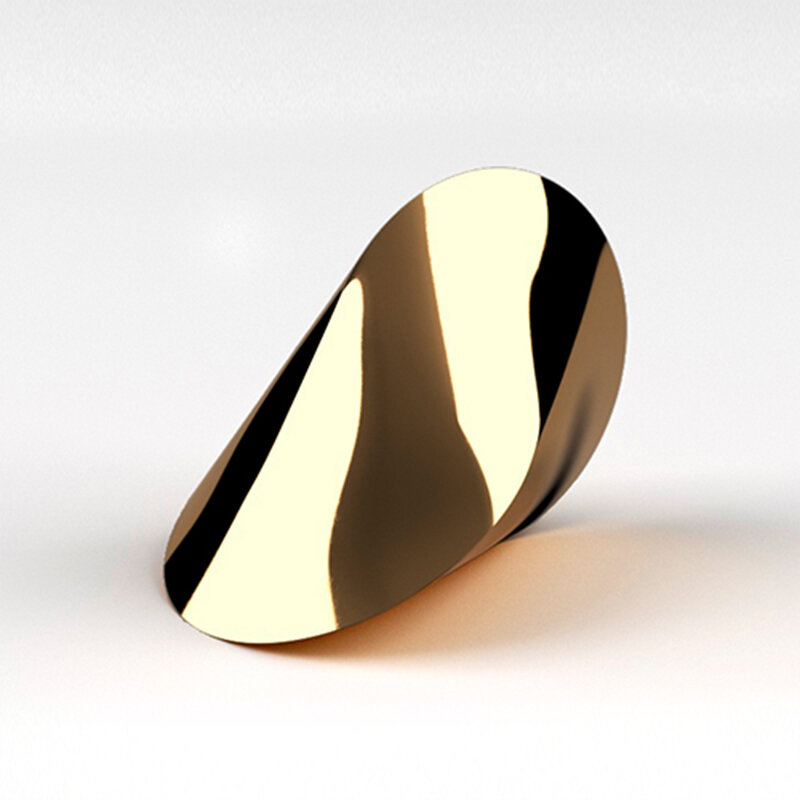
A desktop sculpture that brings art, science, beauty and technology together in a single piece of solid metal.
The regular size Oloid is 2.13" x 1.41" and weighs 5.7 oz
SURFACE
Single continuous, no edges or flat sections
AREA
Exactly equal to a sphere of the same radius
TYPE
Developable surface · Developable roller
ROLLING CONTACT
Line segment of fixed length at each moment

The center of mass performs a meandering path rather than a straight line. In each cycle, it has two minima and two maxima in height. The variation is small enough that the motion remains smooth.
Order your Oloid
A colossal desktop sculpture that brings art, science, beauty, and technology together in a single piece of solid metal.
The Oloid Sculpture is where perfect geometry becomes silent poetry. In 1929, Paul Schatz uncovered this marvel—the only shape that rolls with such fluid grace. Precision-machined from solid natural metals, its hypnotic dance is guided solely by its own timeless design. No motors, no sound. Just the quiet, kinetic balance of a form discovering its own path, again and again.
The Grand Oloid is 4,3" / 110mm x 2,8" / 73mm
A desktop sculpture that brings art, science, beauty and technology together in a single piece of solid metal.
The regular size Oloid is 2.13" x 1.41" and weighs 5.32 oz
A desktop sculpture that brings art, science, beauty and technology together in a single piece of solid metal.
The regular size Oloid is 2.13" x 1.41" and weighs 5.7 oz